Tangyuan and Yuanxiao: Wrapped or Rolled

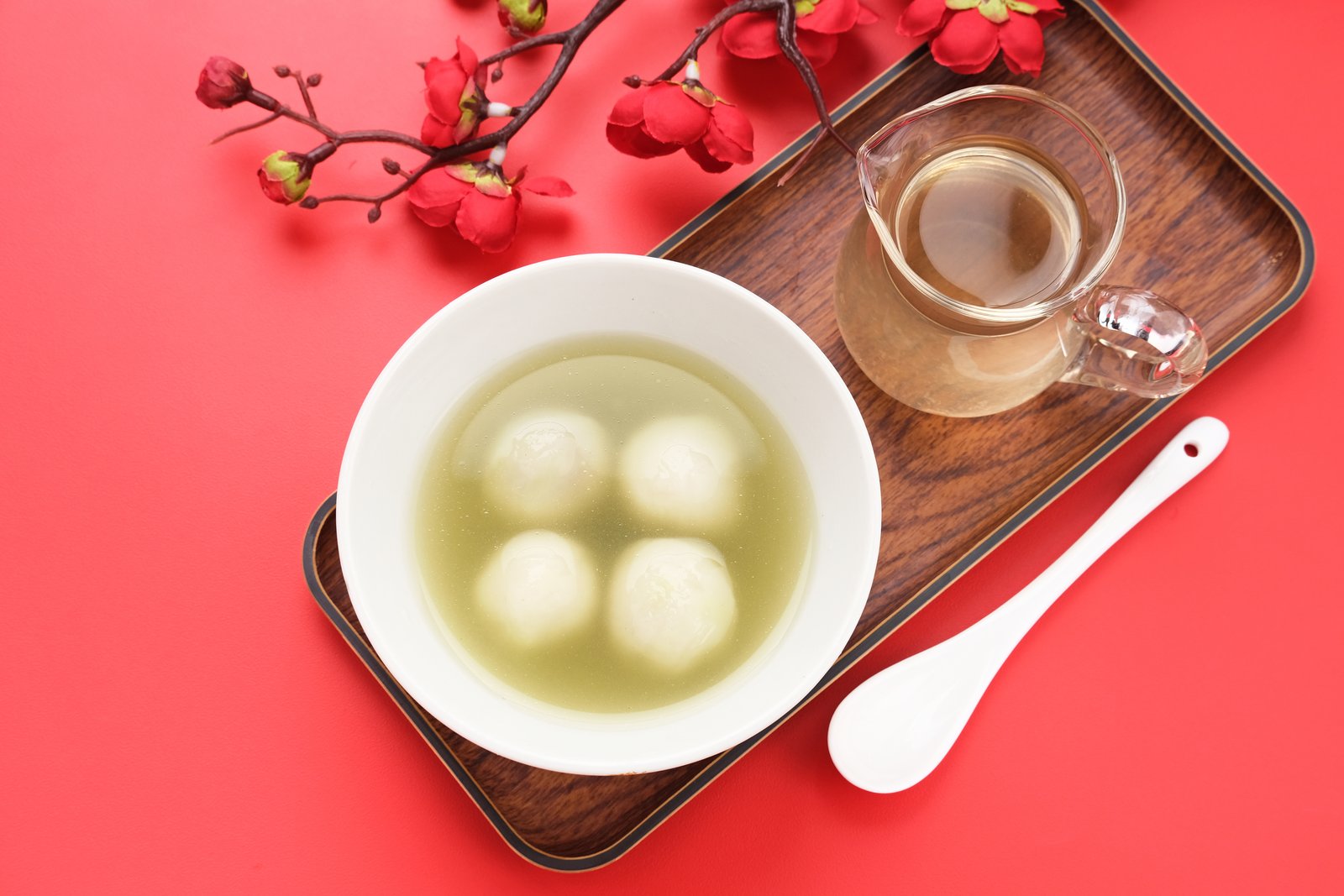
Four white tangyuan floating in clear syrup in a bowl

Two Chinese words, one English phrase. Search for either tangyuan or yuanxiao and you get “glutinous rice balls”, which is accurate and tells you nothing, because the two words do not name the same thing. The short answer is the one most explanations give, and it is right: tangyuan are wrapped, yuanxiao are rolled. But … Read more

Mooncakes: One to Eat, One to Give Away

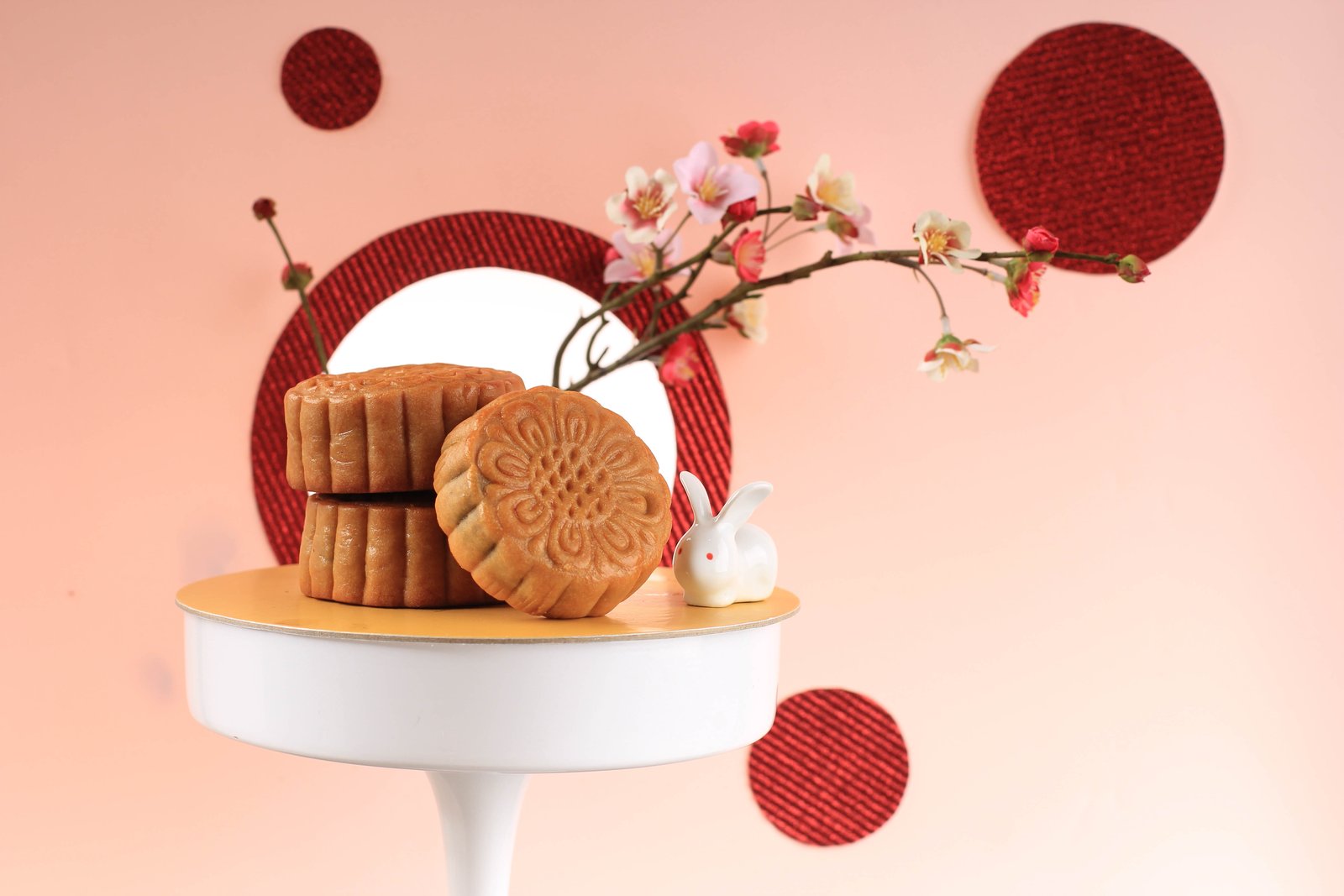
Stamped mooncakes stacked beside a sprig of blossom

Every year around the Mid-Autumn Festival the same complaint goes around in English: mooncakes are expensive, the boxes are absurd, and the things inside are heavy and dry and nobody really wants to eat them. Every year someone answers that you are missing the point, that it is about family and the moon. Both sides … Read more

Tanghulu: Two Names, and the Difference That Went Away

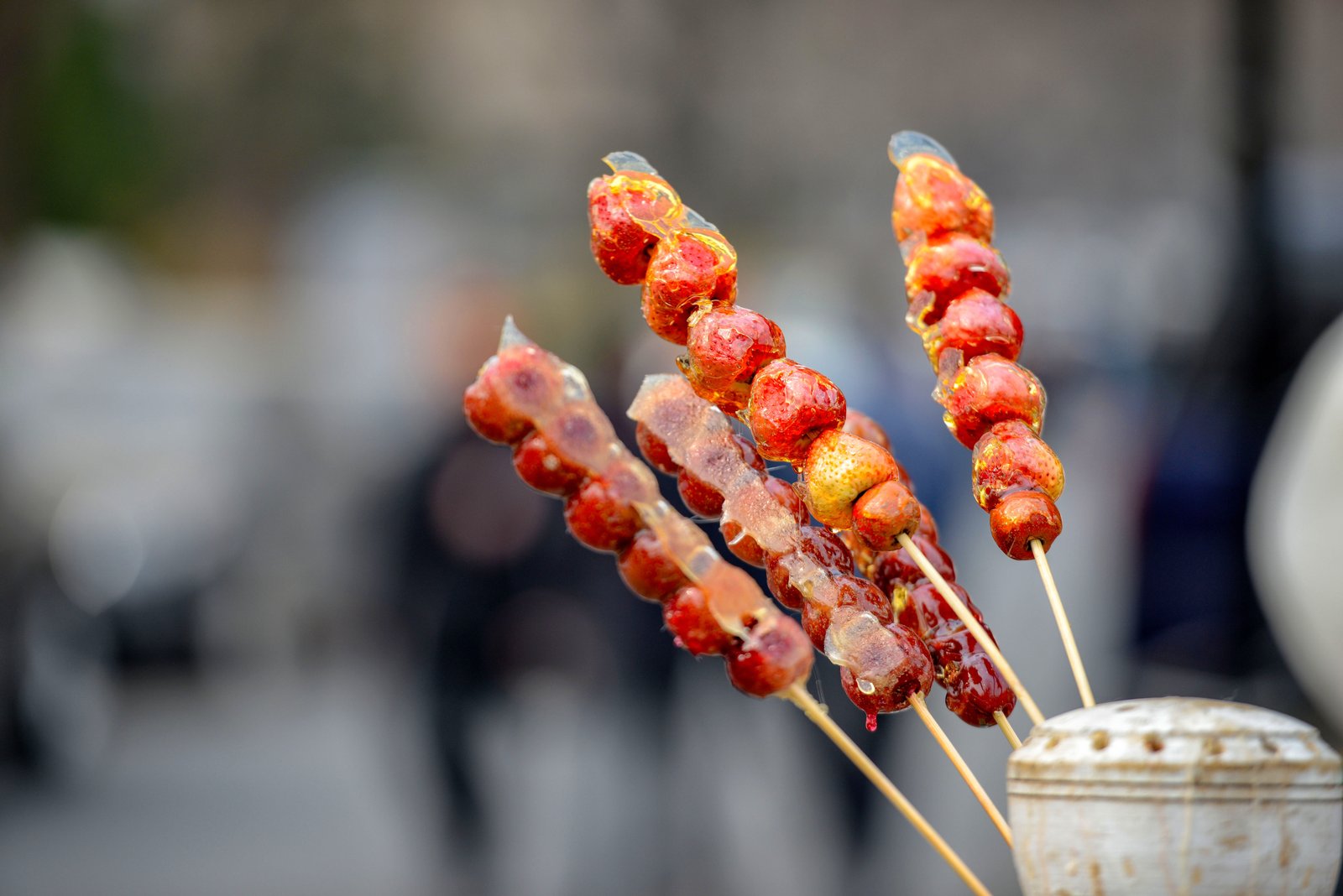
Skewers of tanghulu, candied hawthorn fruit on bamboo sticks, held up on a street

Search for this snack in English and you will find it spelled two ways. Some pages call it tanghulu. Others call it bingtanghulu, or bing tang hulu. Nobody explains the difference, and if you go looking for one today you will not find it, because there is no longer any difference to find. There used … Read more

Baozi: Is It a Dumpling, a Bun, or Something Else

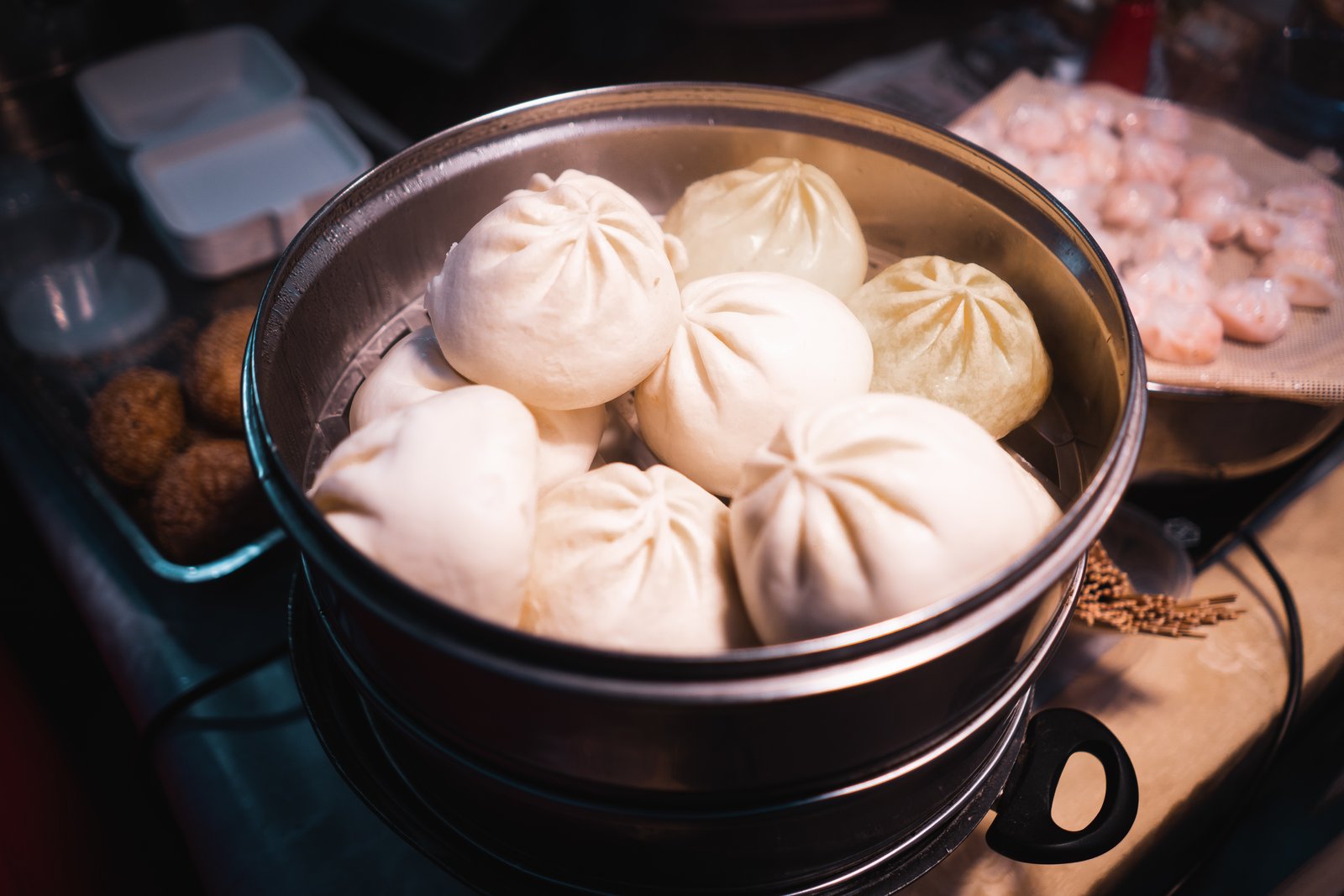
Steamed baozi with pleated tops in a metal steamer basket

Baozi (包子, bāozi) are steamed buns made from leavened wheat dough wrapped around a filling — pork and cabbage, red bean paste, mushrooms, whatever the shop makes. They are sold by the basket from breakfast stalls and steamer carts across China, eaten in the hand, and they are one of the few Chinese foods that … Read more

Stinky Tofu: The Smell and the Taste Are Not the Same

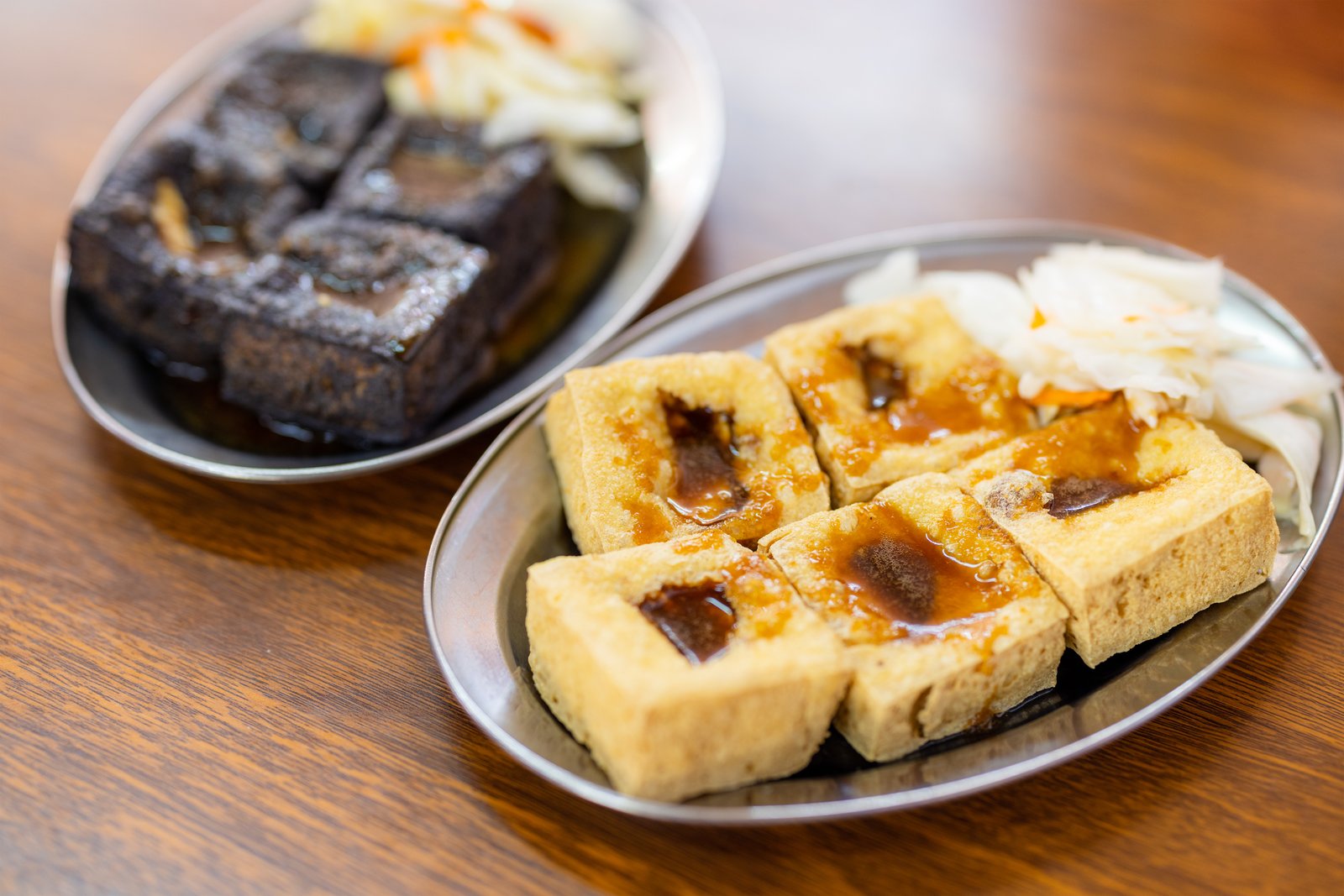
Two plates of stinky tofu, one deep black and one fried golden, served with sauce and pickles

Stinky tofu (臭豆腐, chòu dòufu) is tofu that has been steeped in a fermented brine until it takes on a powerful smell, then usually deep-fried and eaten hot from a paper cup with chili sauce and pickled vegetables. It is sold from street carts and night-market stalls all over China, from Changsha to the night … Read more

Xiaolongbao: The Name Is About the Basket, Not the Soup

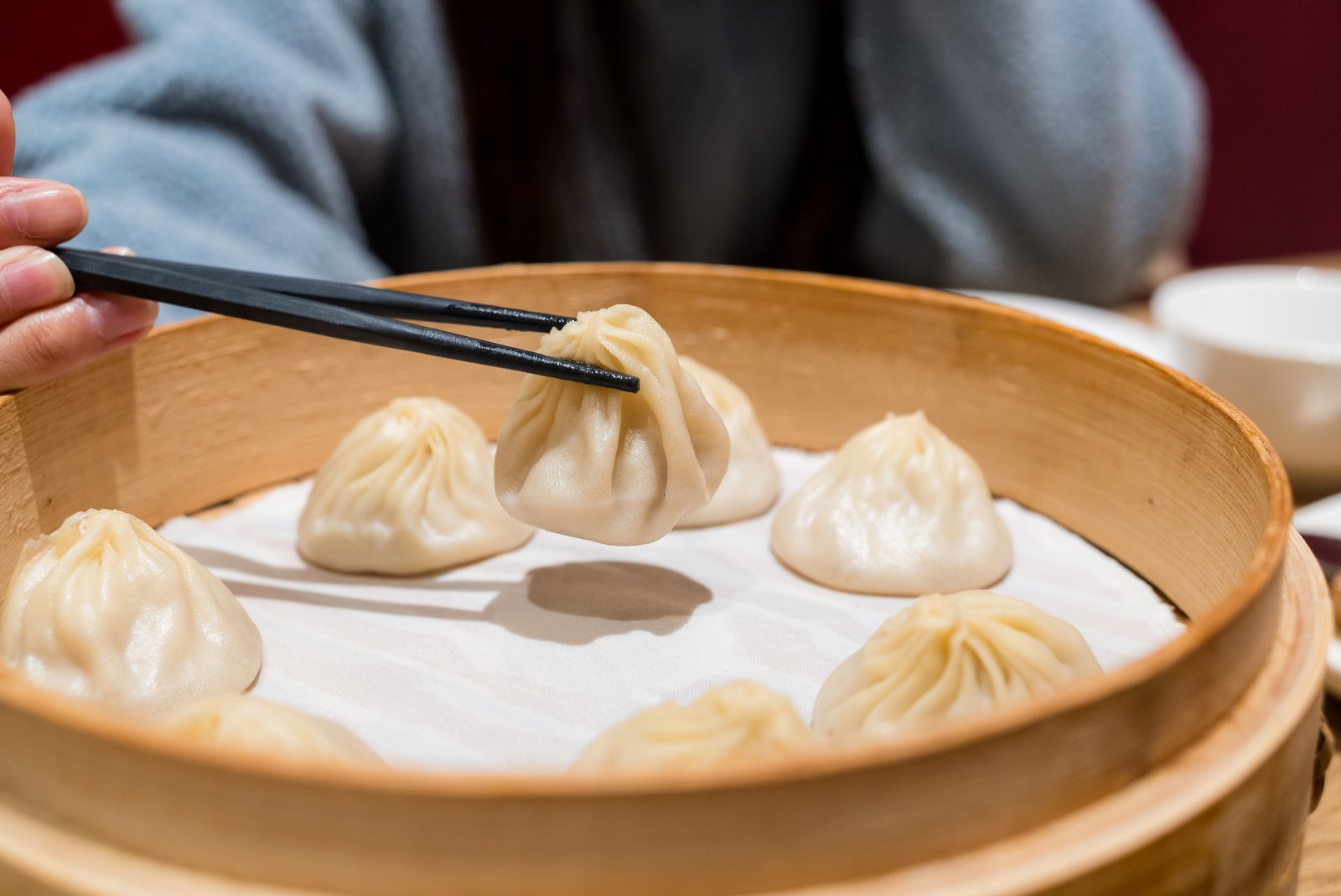
Chopsticks lifting a xiaolongbao from a bamboo steamer

Xiaolongbao (小笼包) are small steamed buns with a hot, liquid filling: a thin, barely-leavened wrapper, a lump of seasoned pork, and a mouthful of soup that is not poured in but forms during cooking. They are sold by the basket, eaten in one bite or two, and they come from Jiading — now the northwestern … Read more

Rou Jia Mo: Three Things the Name Gets “Wrong”

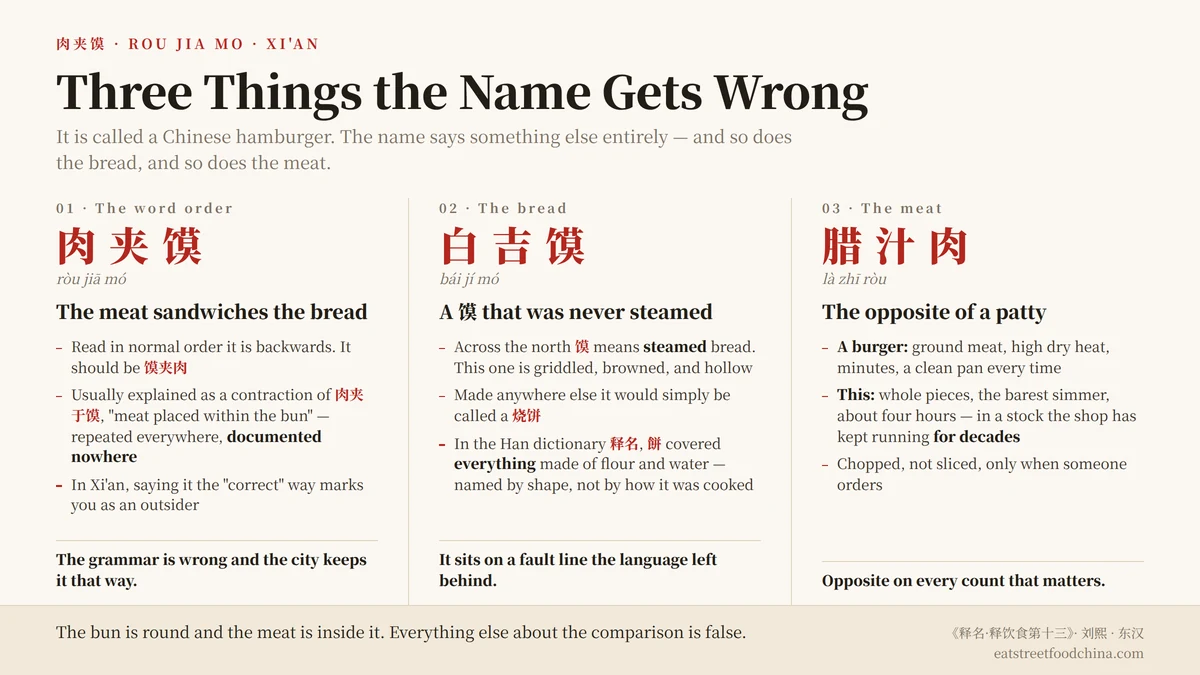
Diagram of three naming problems in the Xi'an street food rou jia mo: the reversed word order of 肉夹馍, the griddle-baked bun called a 馍 although 馍 usually means steamed bread, and the slow-braised 腊汁肉 that is the opposite of a hamburger patty.

Rou jia mo (肉夹馍) is a Shaanxi street food: chopped, slow-braised pork packed into a round griddle-baked wheat bun. It is sold from Xi’an breakfast stalls and street windows, eaten in the hand, and usually finished in under two minutes. That is the dish. The interesting part is the name, which appears to describe something … Read more

Chongqing Xiaomian: What Makes Chongqing Noodles Different?

Chongqing xiaomian (重庆小面) is a bowl of fine wheat noodles dressed with a seasoning mix that is built in the bowl before the noodles arrive: soy sauce, red chili oil, ground Sichuan pepper, preserved vegetables, ginger-garlic water, sesame, peanuts, scallions. In the narrow local sense it carries no meat at all. Add beef, or peas … Read more

Hongyou Chaoshou: Sichuan–Chongqing Wontons in Chili Oil

A square wrapper lies flat, the filling sits off-center, and two side corners are brought together. That compact fold is one reason Sichuan and Chongqing speakers call these dumplings chaoshou (抄手), a word associated with crossed or folded arms. Once boiled and placed in a seasoned bowl of red chili oil, they become hongyou chaoshou … Read more