A field guide to China’s everyday foodways
Chinese Street Food, Explained
Explore the regional histories, ingredients and techniques behind China’s street foods—from Chongqing noodle bowls to Xi’an cold noodles.

Start with place
Explore by Region
A region is more than a list of dishes. Follow the grains, flavor structures and street-food traditions that give each city its own logic.

Shaanxi · Wheat country
Xi’an
Cold noodles, hand-pulled belts and bread-based meals shaped by an inland capital.
Open the Xi’an guide
Sichuan · Layered seasoning
Chengdu
Small bowls and snacks where chile, aromatics, sweetness and texture work together.
Begin with Dan Dan Noodles
Chongqing · Bold noodle bowls
Chongqing
Fast, highly seasoned foods built for a steep river city with a distinct appetite.
Begin with Chongqing XiaomianSix useful entry points
Start with These Dishes
Each guide answers a different question, so readers can move from one regional food tradition to the next without meeting the same article twice.
Chongqing · Noodles
Chongqing Xiaomian
A compact noodle bowl defined by seasoning logic as much as by broth.
What makes it different?Xi’an · Cold noodles
Liang Pi
Steamed sheets served cool, with texture and seasoning doing the essential work.
Why Xi’an eats it year-roundChengdu · Noodles
Dan Dan Noodles
A Sichuan noodle tradition whose name points to the carrying pole used by vendors.
Follow the name and historyXi’an · Hand-pulled
Biangbiang Noodles
Broad Shaanxi noodles paired with one of Chinese food’s most recognizable written names.
Untangle “biang”Chengdu · Dumplings
Zhong Dumplings
Pork dumplings in a sweet, aromatic red-oil dressing, distinct from a soup wonton.
See what defines the styleSichuan & Chongqing · Skewers
Chuan Chuan
Skewers cooked in seasoned broth, connecting street snacks with hot-pot culture.
Explore the skewer traditionFood, not a checklist
Three Lenses for Reading a Dish
The same bowl can carry clues about language, craft and regional history. Our guides keep those strands connected without treating them as interchangeable evidence.
Name & Language
Chinese characters, pinyin and menu translations can point to a tool, a motion, a vendor or a place—but they do not always prove an origin story.
Technique & Texture
Washing starch, pulling dough, folding wrappers and building a seasoning bowl often explain more than a simple ingredient list.
History & Evidence
We distinguish a documented modern form from older related foods, local tradition and later promotional legend.
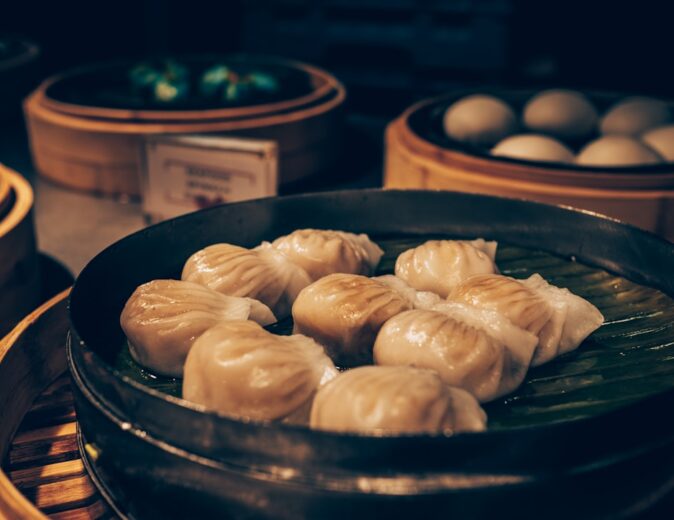 Food Curiosities
The story behind the surprise
Curious Doesn’t Have to Mean Exotic
Some food stories spread because a name is difficult to translate, a texture is unfamiliar or an origin legend is irresistible. This section looks past the “weird food” label to explain what the dish means in its own setting.
Explore Food CuriositiesRegional histories and Chinese-language accounts anchor the questions we ask.
A technique’s history, a dish name and a restaurant legend are not automatically the same story.
When the evidence supports a tradition rather than a documented fact, the wording should make that clear.